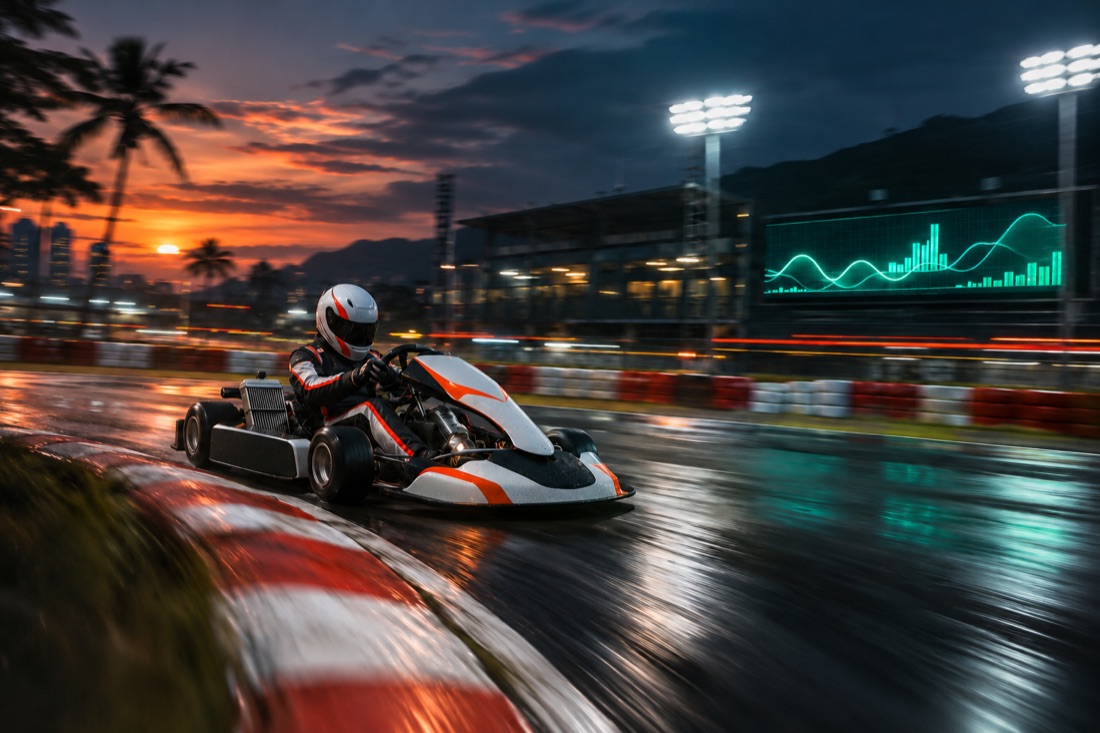
Road to F1
Karting, F4, Formula Regional, F3 and F2, and the 40 super licence points that open the door to Formula 1.
Read the guide: F1 Driver Pathway: From Karting to Formula 1Junior single-seaters, lights on
An independent guide to the ladder from karting to Formula 1, how a Formula 3 car works, the circuits of Asia and how to start in single-seater racing yourself.
Every Formula 1 driver once sat in a junior car on a circuit like the ones in this guide. We explain how that ladder works, from the first kart to the last rung, without results, rumours or sales talk.
Sector times
Six steps from karting to Formula 1. Each one is faster, harder and dearer than the last. Read the full F1 driver pathway.
Where almost every driver starts, usually as a child. Braking, lines and wheel to wheel racing at low cost.
The first single-seater, launched by the FIA in 2014 as the step out of karting. National and regional championships.
More power and downforce than F4. The European champion earns 25 super licence points.
One car for every team: a Dallara with a 3.4 litre V6 and 380 hp, racing on Formula 1 weekends.
The last rung: a 3.4 litre turbo V6 with 620 hp. The champion earns the full 40 points.
Needs an FIA super licence: 40 points over three seasons and a minimum age of 18.
Telemetry
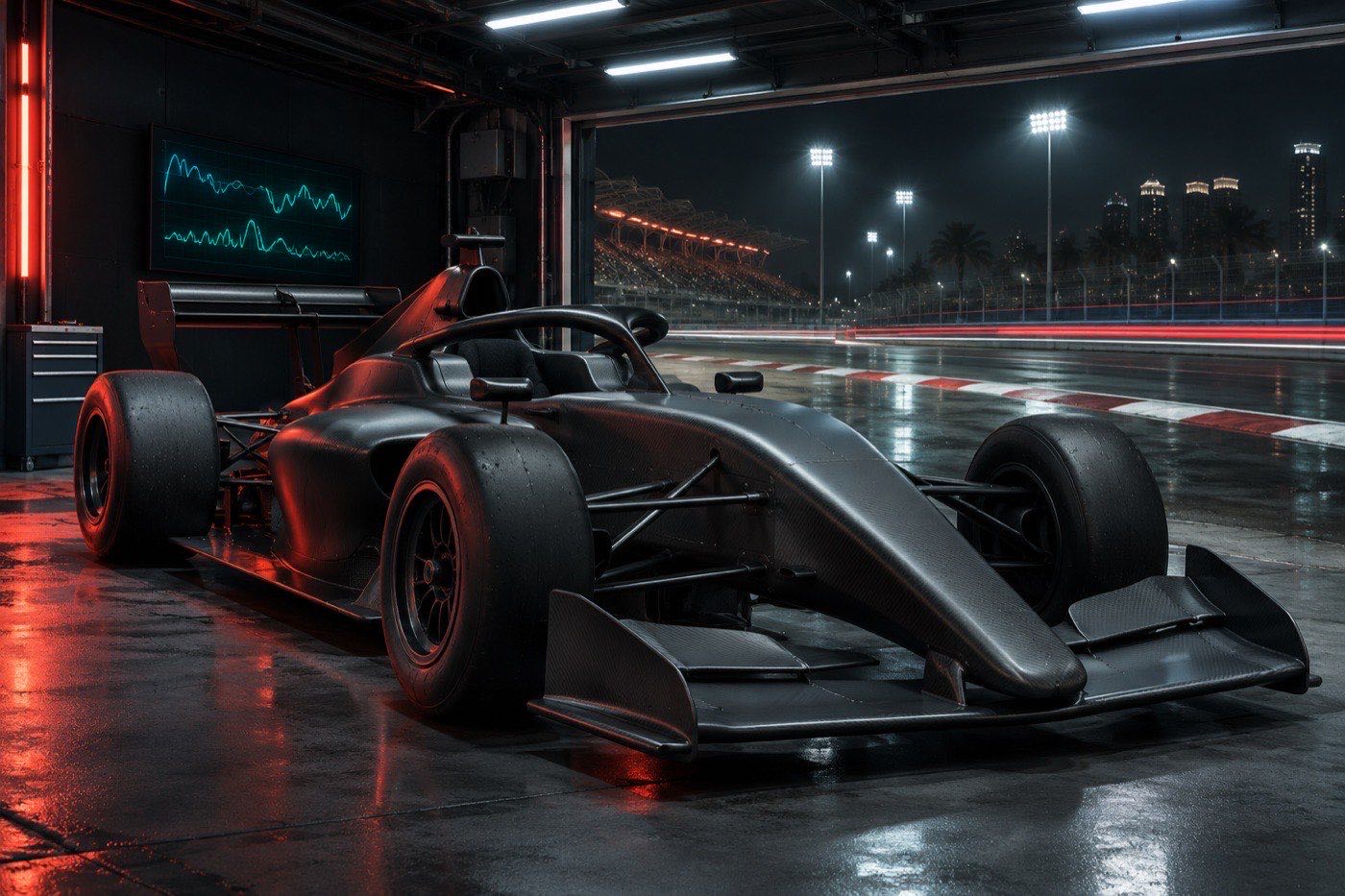
One Dallara chassis for every team, a Mecachrome V6, Pirelli tyres and a halo over the cockpit. The numbers below come from FIA Formula 3. More in Formula 3 car explained.
The first lesson
Every category, from karts to Formula 1, builds a corner from the same four points.
Brake hard and straight, before the car turns. The later and harder you brake, the more time you gain, until you miss the corner.
Release the brake progressively and turn the wheel once. A clean turn-in sets up everything that follows.
The clipping point on the inside of the corner. A late apex lets you open the steering and accelerate earlier.
Unwind the wheel, use all of the track and the kerb, and carry speed down the next straight.
Lap of Asia
Five venues every junior driver in the region knows by name. Lengths are for the main layouts. See the full guide to race circuits in Asia.
Japan
5.807 km
Figure of eight with a bridge. Japanese Grand Prix since 1987, 18 corners.
Malaysia
5.543 km
Two long straights and a hairpin, 15 corners, tropical heat and sudden rain.
China
5.451 km
A corner that keeps tightening and one of the longest straights in Formula 1. F1 since 2004.
Singapore
2008 first night race
City streets under floodlights, close walls and humid nights.
Macau
6.120 km
Street circuit around Guia Hill. A Formula 3 car reached about 275 km/h on its straight.
The guides
Read them in any order. Each one links to the others where it helps.
Karting, F4, Formula Regional, F3 and F2, and the 40 super licence points that open the door to Formula 1.
Read the guide: F1 Driver Pathway: From Karting to Formula 1The 3.4 litre V6, 380 hp, about 300 km/h, 2.6 G in corners and the halo over the cockpit.
Read the guide: Formula 3 Car Specs: Engine, Top Speed and Safety
Engines, power, speed and purpose: why three championships share one paddock.
Read the guide: Difference Between F1, F2 and F3 Explained
Suzuka, Sepang, Shanghai, Marina Bay and the Guia Circuit, plus the tracks that left Formula 1.
Read the guide: Race Circuits in Asia: F1 Tracks and Junior Venues
Karting, the licence, F4 age rules, honest cost examples and routes for adult beginners.
Read the guide: How to Start Single-Seater Racing: A Beginner Guide